
Speed Up REST Calls With AsyncIO | Get 388% Faster Results
in Web Dev

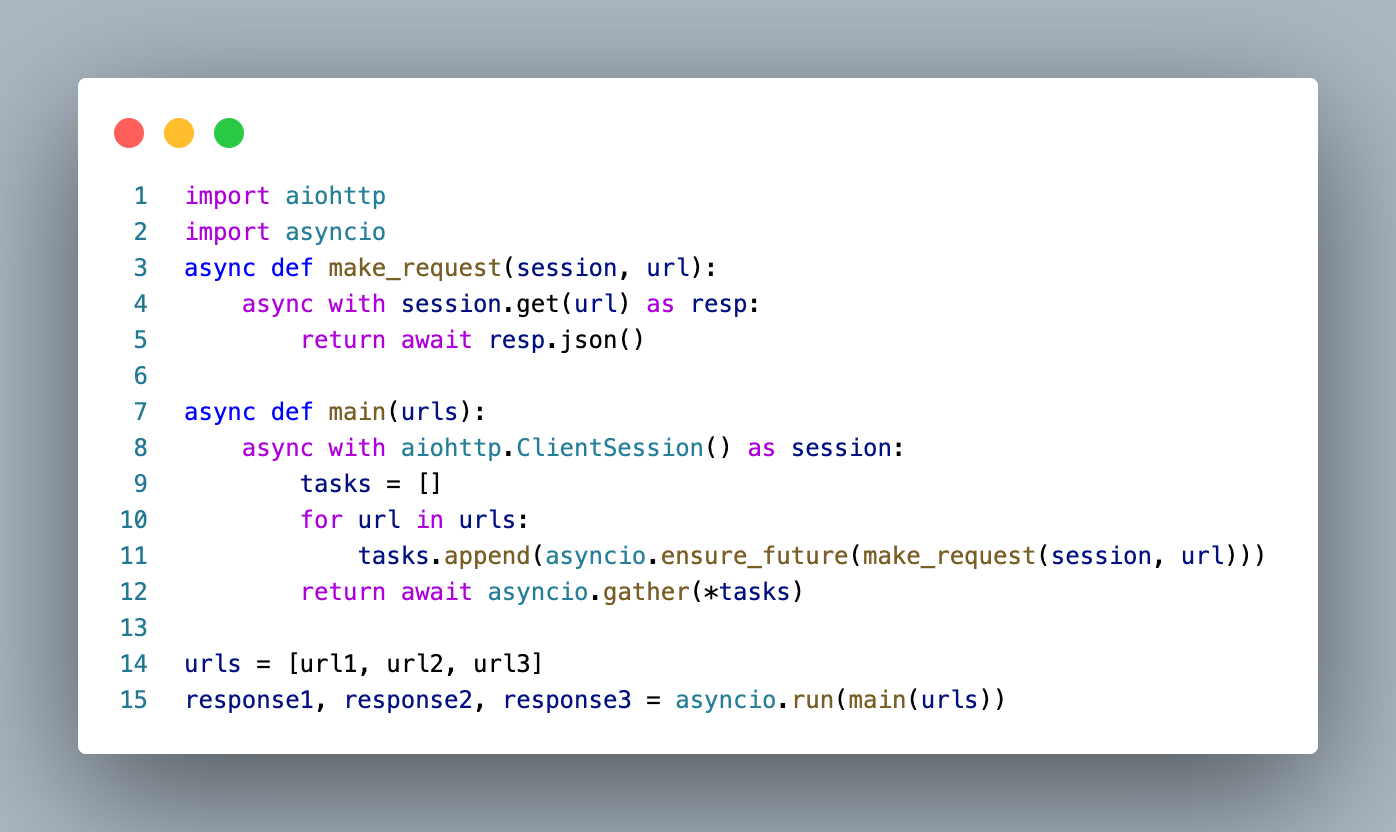
The blog roadmap page makes several synchronous REST calls to the GitHub API to fetch issues. I thought I could speed things up by making them asynchronous. I can make several REST calls with async without waiting for each response.
Synchronous
import requests
def make_request(url):
    return requests.request(method="GET, url=url)
URLS = [url1, url2, url3]
response1, response2, response3 = map(url, make_request)
Asynchronous
import aiohttp
import asyncio
async def make_request(session, url):
    async with session.get(url) as resp:
        return await resp.json()

async def main(urls):
    async with aiohttp.ClientSession() as session:
        tasks = []
        for url in urls:
            tasks.append(asyncio.ensure_future(make_request(session, url)))
        return await asyncio.gather(*tasks)

urls = [url1, url2, url3]
response1, response2, response3 = asyncio.run(main(urls))
I ran both versions five times with these results:
synchonous_time (in seconds) = [1.2, 1.3, 1.5, 1.3]
synchonous_average = 1.32 seconds
asynconous_time (in seconds) = [0.3, 0.4, 0.3, 0.4, 0.3]
asynconous_average = 0.34 seconds
That's 1.32/0.34 * 100 = 388% faster!
You won't notice because site pages are cached on Cloudflare's edge network, but it was fun to find a good use case for async and see the benefits for myself! The magic happens on lines 10 - 12, where requests are added to a task list. The code waits on line 12, but it's collecting responses as they come back instead of one at a time.
Conclusion
Async is useful for I/O bound tasks. Instead of making requests one at a time, I used asyncio to make them asynchronous. The result was a 388% speed increase in getting back responses from the GitHub API.
Comments
- No comments yet.


Related Posts
 4 min read
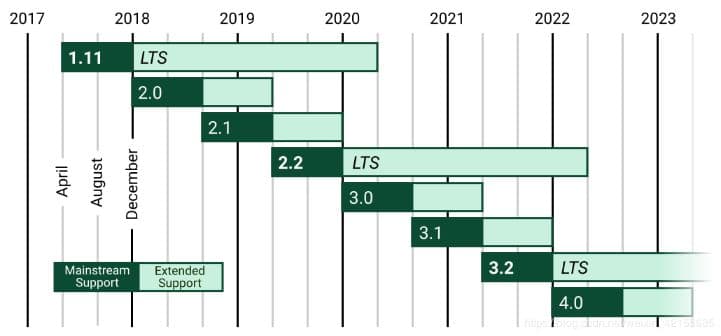
Navigating dependency and migration errors while upgrading to Django 4.0 - A guide to upgrading from Django 3.2.14 to 4.0.5
 5 min read
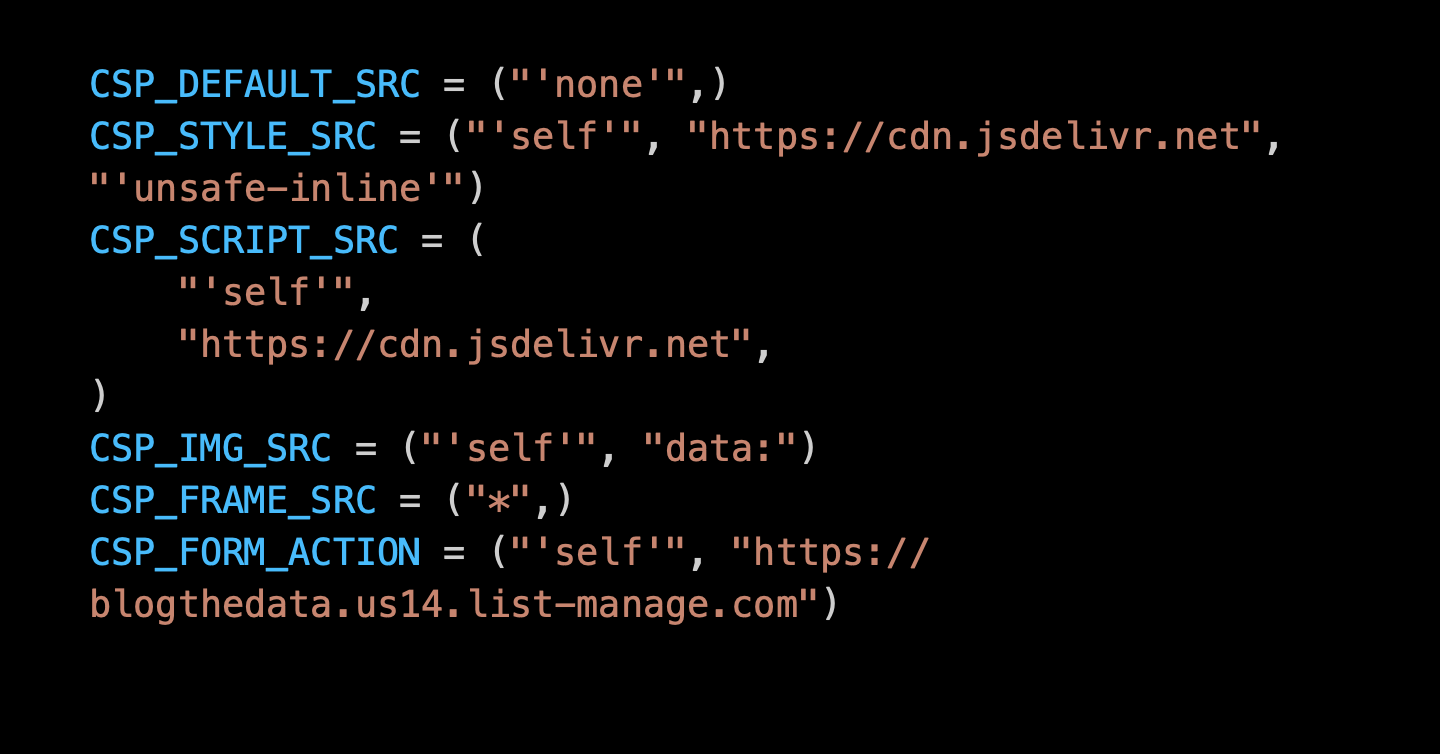
Implement Content Security Policy for website security and user protection, using features like nonces, hashes, and source lists.

0
 2 min read
Discover how htmx can be used to improve your website by implementing infinite scrolling, resolving duplication issues and enhancing functionality.
1

John Solly
A hands-on AI practitioner who transitioned to a CTO role to broaden my impact.
Most of my career has been dedicated to developing spatial systems at Esri, startups, and federal agencies. Currently, I lead technology strategy for Leidos' Health IT division, supporting agencies such as SSA, VA, and HHS.
My primary focus is the convergence of spatial computing and AI, enabling machines to interpret the physical world and applying these capabilities to meaningful missions.
Please reach out if you are interested in spatial systems or advancing AI within the federal government.
0