
Streamlining Todoist: My Simple Yet Effective Workflow
in Productivity

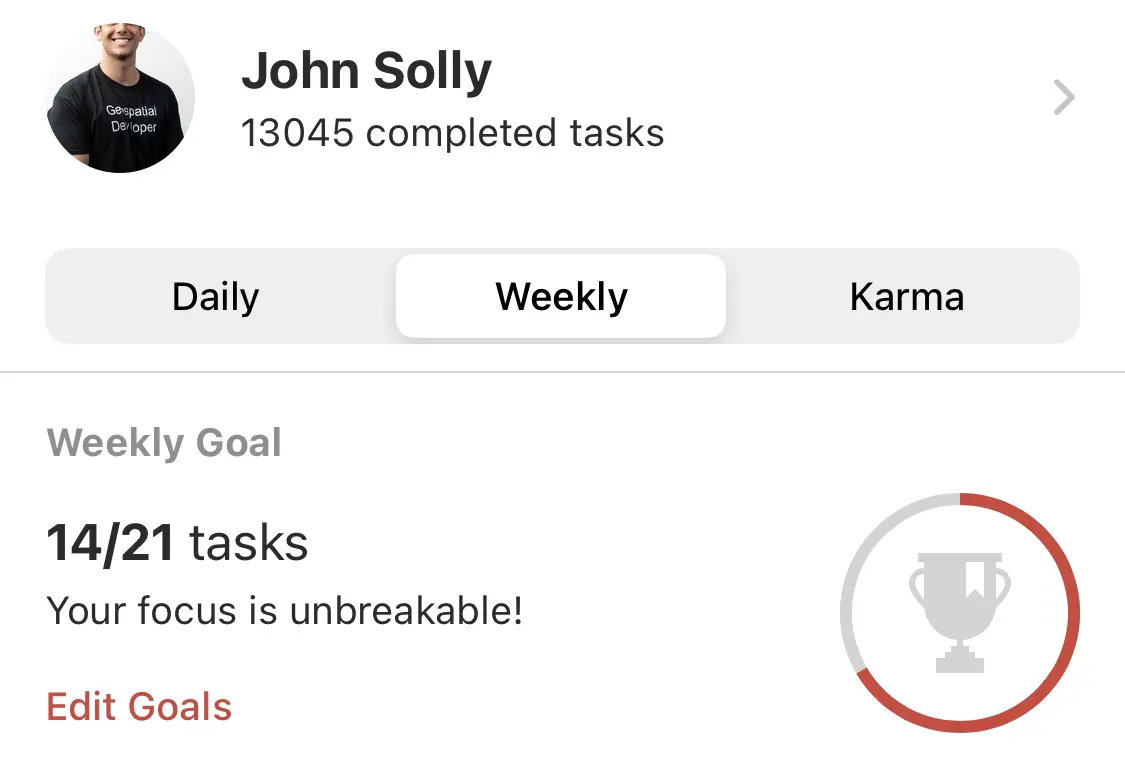
I've been an avid user of Todoist for several years, having completed more than 13,000 tasks.
Initially, I embraced Todoist's robust functionalities, including projects, filters, tags, and priorities. However, I eventually realized I could streamline my process without these features.
My Workflow
When I identify a task that requires completion, I add it to Todoist and then forget about it. If it's time-sensitive, I include the date. Otherwise, it's added without tags, projects, or priorities.
To assist in scheduling, I developed a tool called todoist-backlog-scheduler. This utility automatically schedules undated tasks for the following week.
This method ensures that my current week isn't overwhelmed with new tasks, as they are all deferred to the next week. This provides a one-week incubation period for each task, allowing me to evaluate its continued relevance or importance.
By Sunday, my queue generally consists of 20 to 40 tasks. After running my GitHub Actions workflow, these tasks are evenly distributed across the upcoming week.
I've employed this pattern for over a month now, and it's become an integral part of my routine that I really appreciate.
Conclusion
In reflecting on my several years with Todoist, I've found that simplicity can foster efficiency. My custom tool, todoist-backlog-scheduler, and weekly planning method have reshaped my productivity. This simple yet effective strategy has kept me aligned with my goals, and I encourage others to explore this workflow!
Comments
- No comments yet.


Related Posts
 2 min read
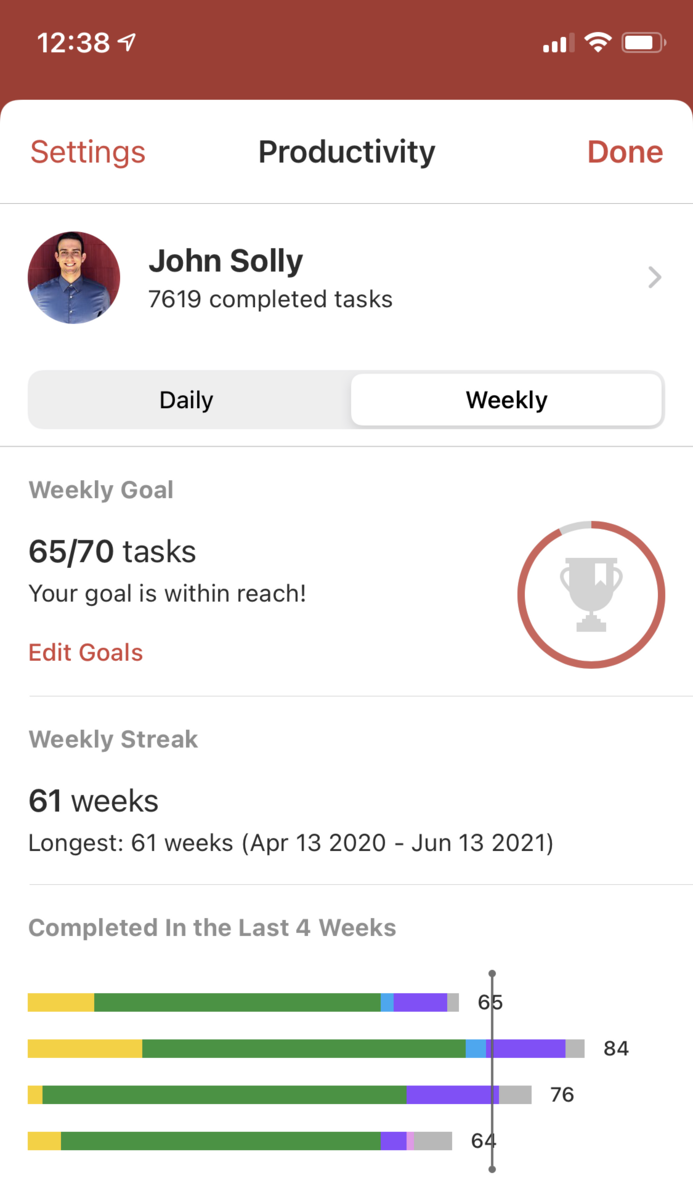
Get organized with Todoist! Learn how to use the app to reach goals and get things done with tips and tricks to unlock your potential.
 22 min read
Learn the key terms and concepts behind intuition pumps to sharpen your mind and make better decisions. Dive deeper with my comprehensive guide.

0
 4 min read
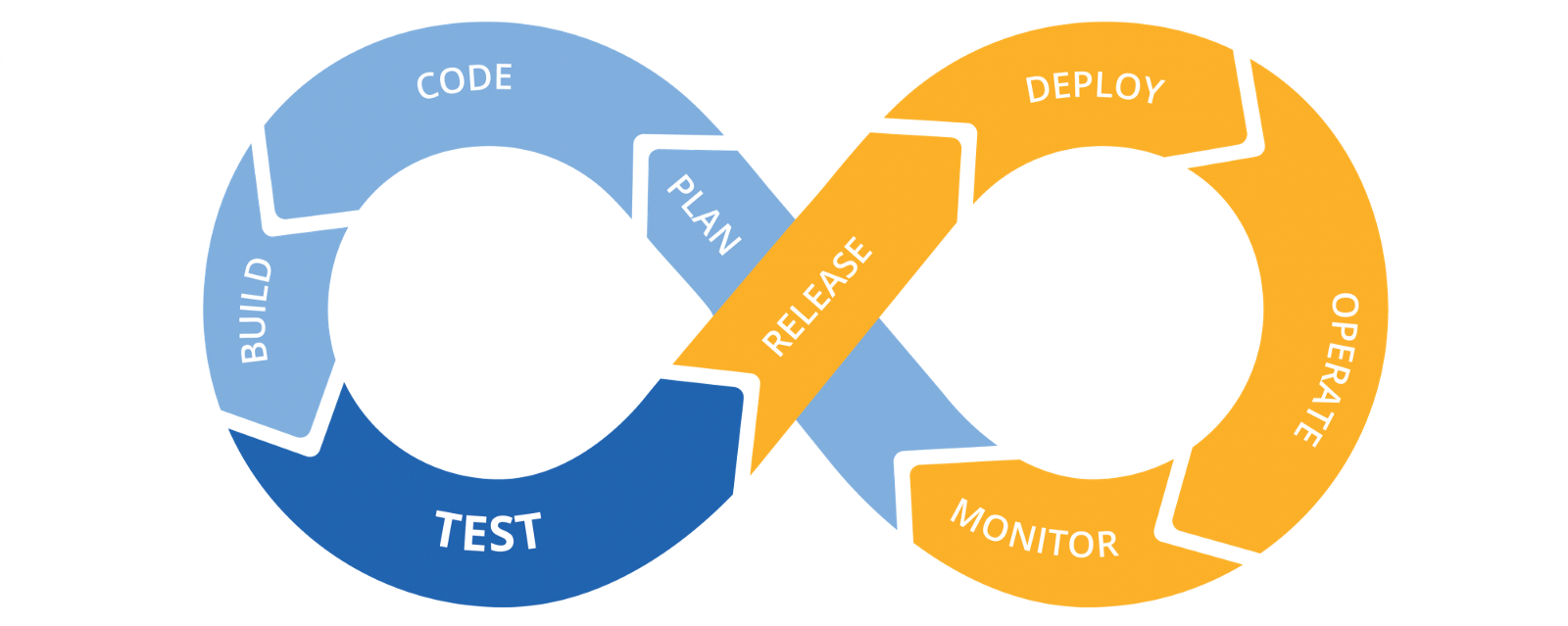
Learn how to add a CI workflow to your project with Github Actions. A step-by-step guide to test, lint, and deploy code with Github Actions.
0

John Solly
A hands-on AI practitioner who transitioned to a CTO role to broaden my impact.
Most of my career has been dedicated to developing spatial systems at Esri, startups, and federal agencies. Currently, I lead technology strategy for Leidos' Health IT division, supporting agencies such as SSA, VA, and HHS.
My primary focus is the convergence of spatial computing and AI, enabling machines to interpret the physical world and applying these capabilities to meaningful missions.
Please reach out if you are interested in spatial systems or advancing AI within the federal government.
0